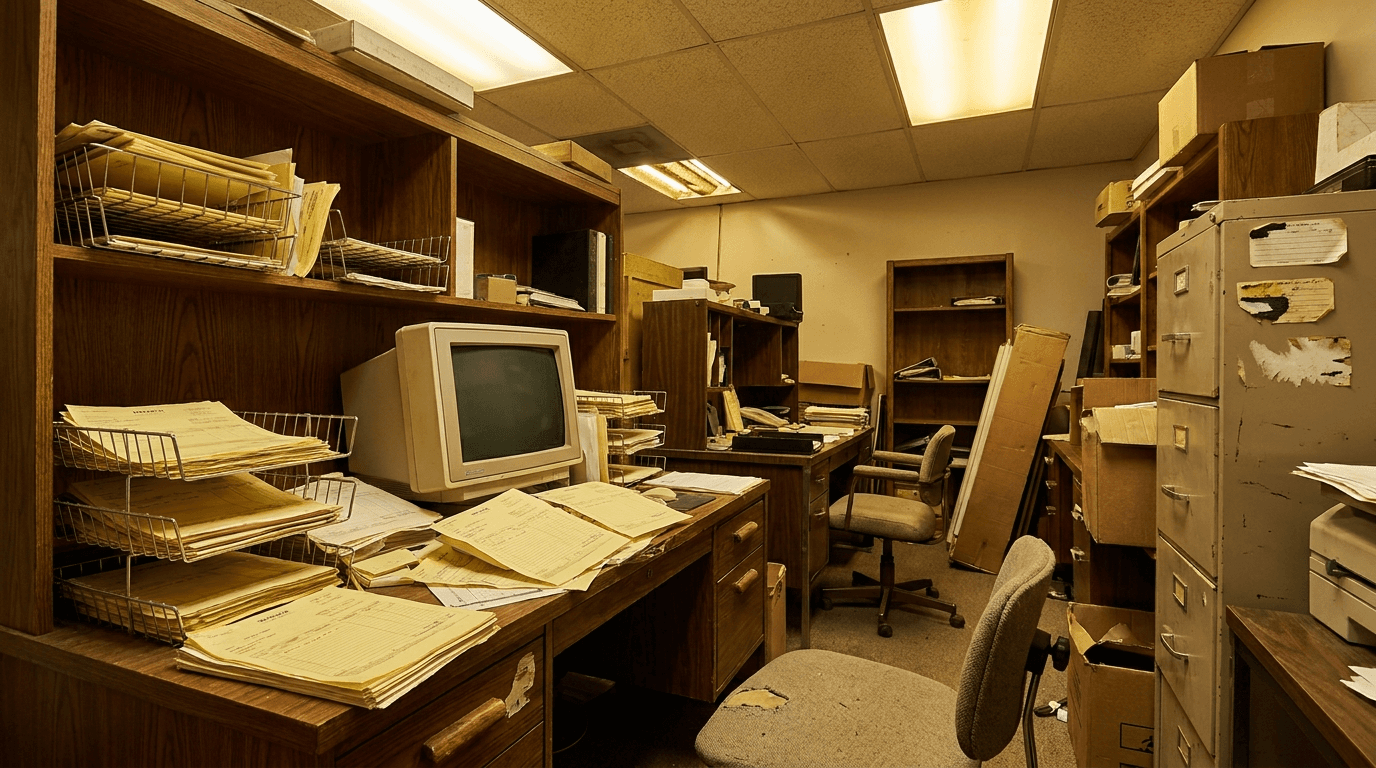
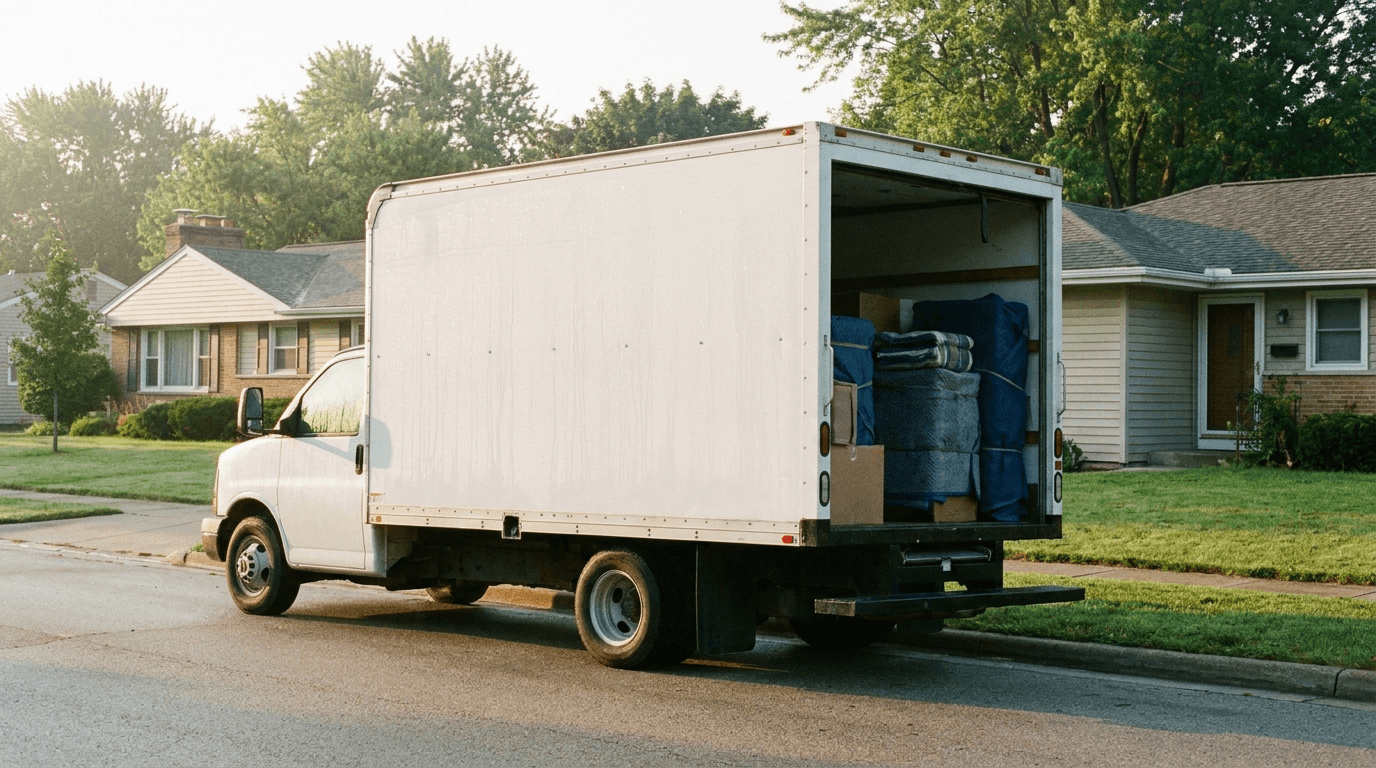
Where Special Orders Go Quiet
A customer writes a special order, pays a deposit, and waits. Somewhere between the PO and the truck, the order stops talking to anyone — until the customer calls asking where it is.

The scene is familiar to anyone who has run a floor. A customer sits down with an RSA in March, picks a fabric that isn't in stock, signs, and pays a deposit on a non-cancelable special order. "About eight weeks," the RSA says, because that's what the vendor quoted. The PO goes out, an acknowledgement comes back by email to whoever placed it, and the order enters a blind spot the store doesn't know it has.
Nobody decided to lose track of it. It just isn't anyone's job to watch once the deposit is taken and the paperwork is filed. The ship date lives in an inbox, and the store finds out the order slipped when the customer calls in week eleven, already annoyed.
That call is avoidable — not because the manufacturer ships faster, but because the store can know about a slip before the customer does, and say something first. That single habit is the difference between a customer who grumbles and one who asks for a refund.
Why do special orders lose customer trust faster than other sales?
Special orders combine three things open-stock sales don't: a non-cancelable commitment, a deposit already spent by the store, and a wait with no visible progress. The customer has nothing to check on, so silence reads as neglect even when the order is on schedule.
An open-stock sale or a floor sample closes clean. A special order is a promise with a long fuse: the RSA quotes a lead time set by the vendor, and the store owns everything between signature and delivery. When that ownership doesn't happen, the customer's only data point is the date quoted at the table, and every week past it quietly erodes trust. It's also where the money is exposed — a deposit is real cash collected against a delivery that hasn't happened, the gap between written and delivered business every operator watches on the accounting side.
What actually causes special orders to go dark?
The blind spot is built from ordinary gaps: the vendor acknowledgement lands in one person's email instead of on the order, and the difference between "manufacturer shipped" and "we received it" isn't tracked anywhere. If that person is out, or the confirmation gets buried, the store's system of record still shows the RSA's original promise, because nothing updated it.
Backlog often lives on a spreadsheet or a literal whiteboard in the warehouse office — fine for the warehouse manager, useless for the RSA fielding a customer call. And "shipped" and "received" get treated as the same event, when the days between a factory dock and your warehouse are exactly where a pallet goes missing or gets damaged.
What does good special-order tracking actually look like?
Good tracking means the order carries its own status instead of depending on someone's memory. The vendor acknowledgement and any revised ship date attach directly to the order record, the customer gets contacted automatically when a date slips, and exceptions surface on a worklist instead of requiring a manager to remember to check.
Three things hold true regardless of what system a store runs: the order is the single place a ship date lives, not an inbox or a spreadsheet tab; a slipped date is a trigger, not a discovery, prompting contact that week rather than after the customer calls; and "shipped" and "received" are two separate, dated events, because that gap is where things go missing. This is what tying orders to inventory and the point of sale is for — one record the RSA, purchasing, and the warehouse can all see, instead of three systems that each know part of the story.
Why should exceptions be a worklist instead of a manual check?
Because relying on someone to remember doesn't scale, and it fails exactly when the store is busiest. A weekly aging list — every order past its promise date, sorted by days overdue, reviewed on a fixed day — turns that memory problem into a five-minute review a spreadsheet can run, no dashboard required. From there it's a short step to making the same view live, which is the direction analytics work on backlog naturally goes.
What should a store fix first if it can't replace its systems this quarter?
Four changes, in order of effort: name an owner for vendor acknowledgements, add a dated ship-date field to the order itself, run a weekly aging review, and track "shipped" separately from "received." None require new software or a system replatform to start.
- 01Name one owner for vendor acknowledgements, responsible for putting the confirmed ship date on the order, not just their inbox.
- 02Put a dated ship-date field on every special order, separate from the original promise. That gap is what should trigger a customer call.
- 03Run a weekly aging review of every order past its promise date — a person pulling the list every Friday and making the calls is a working system.
- 04Separate "shipped" from "received" as two dated checkpoints, so a lost pallet doesn't hide behind a status that says the order is fine.
That's a discipline fix, not a replatform decision — the fastest way to stop finding out about your own late orders from the person who bought them. It's also exactly what a connected orders system carries automatically once a store is ready to stop tracking it by hand; worth a demo if backlog visibility is the recurring fire drill.
The order didn't go quiet on its own. It went quiet because its status lived in an inbox instead of on the order.
What do the key special-order tracking terms mean?
Three terms come up most: written business, vendor acknowledgement, and backlog — sold-but-undelivered, the vendor's confirmed ship date, and the full set of open orders a store is carrying at once.
- Written business
- An order sold and deposited but not yet delivered. Special orders sit here longest, which is why the cash gap between written and delivered business shows up most on this order type.
- Vendor acknowledgement
- The manufacturer's confirmation of a PO, including the confirmed or revised ship date — the single most important piece of information a store needs attached to the order, not buried in email.
- Backlog
- The full set of written-but-undelivered orders a store carries. Healthy when most of it is on schedule; a risk when a growing share is aging past promise.
What's the one habit that fixes most of this?
Contact the customer before they contact you. Every structural fix here — a dated ship field, one owner for acknowledgements, a weekly aging list — exists to make that one habit possible without relying on anyone's memory. A special order that slips isn't, by itself, a lost customer; most people know furniture has real lead times. What costs the sale is silence. Fix the visibility problem, and the eleven-week angry phone call mostly stops happening.
Common questions
- How do we track special orders without buying new software?
- Start with three habits: a named owner for vendor acknowledgements, a dated ship-date field separate from the original promise, and a weekly review of every order past its promise date. All three run on a spreadsheet.
- What's the difference between a ship date and a delivery date?
- The ship date is when the manufacturer hands the order to a carrier; the delivery date is when it reaches the customer. Treating them as the same date is a common cause of missed promises.
- Should we tell a customer about a delay before they ask?
- Yes. A customer told in advance is usually fine with it. A customer who has to call and chase the answer tends to read the silence as being ignored.
- Who should own vendor acknowledgements in a small furniture store?
- One named person, even in a one- or two-store operation. The usual failure is that the confirmation lands in a single inbox and never moves onto the order.
- How far past the promise date should we call the customer?
- As soon as the store knows the confirmed ship date will miss the original promise — not after the promise date has already passed.
One Tap Commerce
Editorial desk
Written by the team that builds One Tap Commerce — the operating system for furniture retail. We work with independent and multi-location furniture retailers on catalog, point of sale, delivery, and the books.